For some people, the hardest part of going to the dentist happens before they even sit in the chair. Anxiety can build for days leading up to an appointment, especially if a previous experience has made dental visits difficult. Sedation dentistry uses medication to help patients relax during treatment, making it an option worth discussing if fear or discomfort has kept you from getting the care you need.
At Sonoran Dental Studio, we offer oral conscious sedation for patients who feel anxious about dental treatment. It may make procedures like fillings and crowns more manageable, particularly if you have been putting off needed restorative dentistry. Sedation is not appropriate for everyone, though, and your medical history and the type of treatment you need will help determine if it is a good option.
Types of Sedation Dentistry and How They Work
Sedation dentistry covers a range of options that help patients relax during dental care. Common types include nitrous oxide, which is breathed in through a mask, oral conscious sedation, which is usually taken as a pill, and intravenous sedation, which is given through an IV. The right level depends on a patient’s anxiety, the length of the procedure, and their health history.
With oral conscious sedation, patients take a sedative, usually a pill, before the appointment and typically remain able to respond to their dentist while feeling deeply relaxed. Some people feel drowsy and may remember little of the visit, and local anesthetic is typically still used to numb the area. This is different from general anesthesia, which leaves a patient fully unconscious. Responses to oral medication vary, so the dentist decides on the medication and timing.
When Is Sedation Dentistry Worth Considering?
Dental fear is more common than many people realize. A 2021 systematic review in the Journal of Dentistry estimated that about 15% of adults worldwide experience dental fear and anxiety, and dentists may suggest sedation for some of those patients. It can also come up in other situations, such as:
- Strong gag reflex: Sedation may make treatment easier to tolerate.
- Fear of needles: Feeling relaxed first can make the numbing step less stressful.
- Long visits: Holding still for an extended appointment may be easier when you are relaxed.
- Sensitive teeth: Extreme sensitivity can make routine care uncomfortable.
- Long gaps in care: Patients who have avoided the dentist out of fear may find it easier to return.
Even a routine procedure like a dental filling can feel daunting when needles are involved. Because dentists can often work more efficiently when a patient is relaxed, sedation may also mean fewer appointments for some treatments.
Sedation Risks, Health History, and How to Prepare
Your health history comes first. A dentist needs to know about your medical conditions, medications, and supplements, because some can limit your options, and sedation is generally not recommended during pregnancy. Be sure to mention blood thinners, allergies, and any past reactions to anesthesia or medication. A thorough diagnostic exam and an honest conversation about your health help us build a plan around you or decide sedation isn’t the best option.
Oral sedation can affect memory and coordination for hours, so a trusted adult typically needs to drive you home, and it’s usually wise to take it easy afterward. You may be asked to avoid eating or drinking for several hours beforehand and to plan time away from work afterward. Lingering drowsiness, dry mouth, or nausea are possible side effects, and oral medication effects can be hard to predict, which is why dentists review the plan in advance.
Questions to Ask and Ways to Ease Dental Anxiety
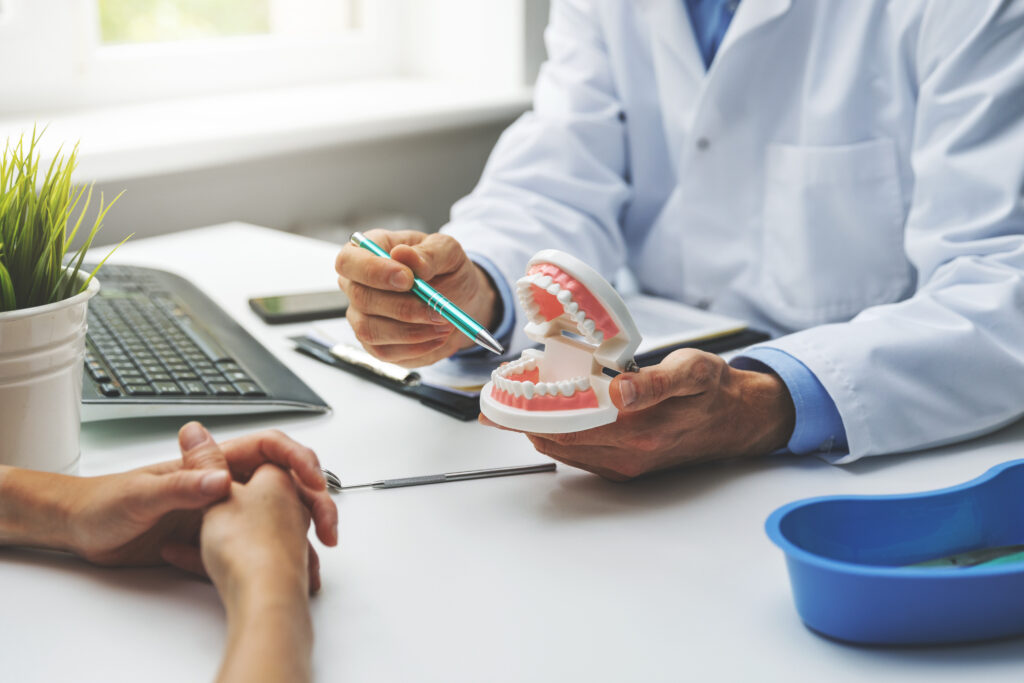
Before treatment, it helps to come with questions. Share what worries you most, whether that is needles, sounds, gagging, or past experiences, and ask how sedation would fit the procedure you need, how long recovery may take, and who should be with you afterward. It is also reasonable to ask about the dentist’s training with the type of sedation offered, because some forms require special certification.
Dr. Mascarenas says nervous patients tend to feel calmer during sedation. If your last appointment was a long time ago, a routine cleaning and exam can be a gentle way back in.
Explore Sedation Dentistry at Sonoran Dental Studio in Buckeye
Nervousness should not be the reason a cavity goes untreated or a checkup gets skipped for another year. Dr. Mascarenas can go over how oral conscious sedation works and whether it suits your health and the treatment you need. A short conversation may clear up much of the uncertainty before you commit to anything.
Spanish-speaking team members are on hand if you would rather ask your questions in Spanish. To learn whether sedation could work for you, contact our office to ask about sedation options and share what worries you most.