A tiny dark spot on a tooth rarely feels urgent, yet that small area of decay is the beginning of a process that only moves in one direction without treatment. What starts as a surface-level cavity can, within months, work its way toward the nerve of the tooth, turning a simple filling into a root canal or extraction.
At Sonoran Dental Studio, we treat cavities with composite, tooth-colored fillings that restore your tooth’s strength and appearance in a single visit. Dr. Mascarenas and our team focus on catching decay early and treating it in a way that protects as much of your natural tooth structure as possible, and this kind of restorative care works alongside our broader restorative dentistry services to protect and rebuild your smile when decay, wear, or damage sets in.

Tooth decay starts long before a cavity becomes visible or painful. Bacteria in your mouth feed on sugars and starches left behind after eating, producing acid as a byproduct. That acid strips minerals from your enamel in a process called demineralization, and over time it weakens the tooth’s outer layer.
Your saliva works to counteract this by supplying minerals back to the enamel, but frequent snacking, sugary drinks, or inconsistent brushing can tip the balance toward decay faster than your mouth can repair itself. According to the National Institute of Dental and Craniofacial Research, nearly 90% of adults ages 20 to 64 have had decay in their permanent teeth, and about 1 in 5 currently have decay that has gone untreated. Once the enamel breaks down enough to form an actual hole, the decay can spread into the softer dentin layer underneath, which is where problems tend to accelerate.
This is why regular dental exams matter so much. Catching a cavity while it is still small and contained gives us far more options for how to treat it, and it usually means a faster, simpler appointment for you.
Getting a filling at our Buckeye office is a straightforward process designed to keep you comfortable from start to finish. We begin by numbing the area around the affected tooth, so you should not feel pain during the procedure itself. Once the area is numb, Dr. Mascarenas removes the decayed portion of the tooth, clearing away only the compromised structure while preserving as much healthy enamel and dentin as possible.
After the decay is removed, we clean and prepare the space before filling it with a composite resin material that is shaded to match your natural tooth color. Unlike older amalgam fillings, composite bonds directly to the tooth, which helps distribute chewing pressure more evenly and reduces the risk of cracking. We shape and polish the filling so it blends in with the surrounding teeth and feels natural against your bite.
Most fillings are completed in a single visit, and many patients are back to eating and drinking normally within a couple of hours once the numbness wears off. If you have questions about what your specific treatment might involve, our patient resources page has helpful information to review before your appointment.
Composite, tooth-colored fillings have become the standard choice for restoring cavities, and for good reason. Because the material is tinted to match your natural enamel, a filling on a front tooth or a visible molar blends in rather than standing out every time you smile or laugh.
Beyond appearance, composite fillings bond chemically to the tooth structure itself. This creates a tighter seal than older materials typically achieved, which can help reduce sensitivity and lower the chance of decay forming again around the edges of the filling. The material is also more conservative, meaning we often need to remove less of your natural tooth to place it compared to some older restorative options.
For patients who previously had metal fillings and want a more natural-looking alternative, composite is often a straightforward upgrade to discuss during a routine visit. Anyone weighing broader restorative options may also want to review our dental crowns page, since a crown may become the better choice once decay has progressed too far for a filling alone to address.
The longer a cavity goes untreated, the more it tends to cost, both in dollars and in dental visits. A small area of decay that could be resolved with a filling today can, left alone, spread deep enough to reach the tooth’s nerve. At that point, a root canal or even an extraction may be the only remaining option, and both come with longer appointments, more recovery time, and a higher price tag than a filling ever would.
Early treatment is not just about avoiding worse pain later, though that is certainly part of it. Filling a cavity while it is still small also means preserving more of your natural tooth, which supports better long-term function and appearance than a heavily restored tooth would offer. Routine dental cleanings paired with regular exams give us the chance to catch these issues before they turn into bigger, more invasive procedures.
Dr. Mascarenas built Sonoran Dental Studio around a patient-first, judgment-free approach to care, and that shows in how we handle something as common as a cavity. Rather than rushing through a filling, we take the time to explain what we found during your exam, walk you through your options, and make sure you understand exactly what to expect before we start.
As a boutique practice in Buckeye, we are able to offer the kind of attentive, unhurried care that larger, high-volume offices often cannot match. We work with most PPO insurance plans and also offer an in-house membership plan for patients without dental coverage, so cost does not have to stand between you and treating a cavity early. If you have noticed sensitivity, a rough spot on a tooth, or it has simply been a while since your last exam, contact our office to schedule a visit with our team.

According to the National Institute of Dental and Craniofacial Research, nearly 90% of adults ages 20 to 64 have had decay in their permanent teeth, and about 1 in 5 currently have untreated decay.
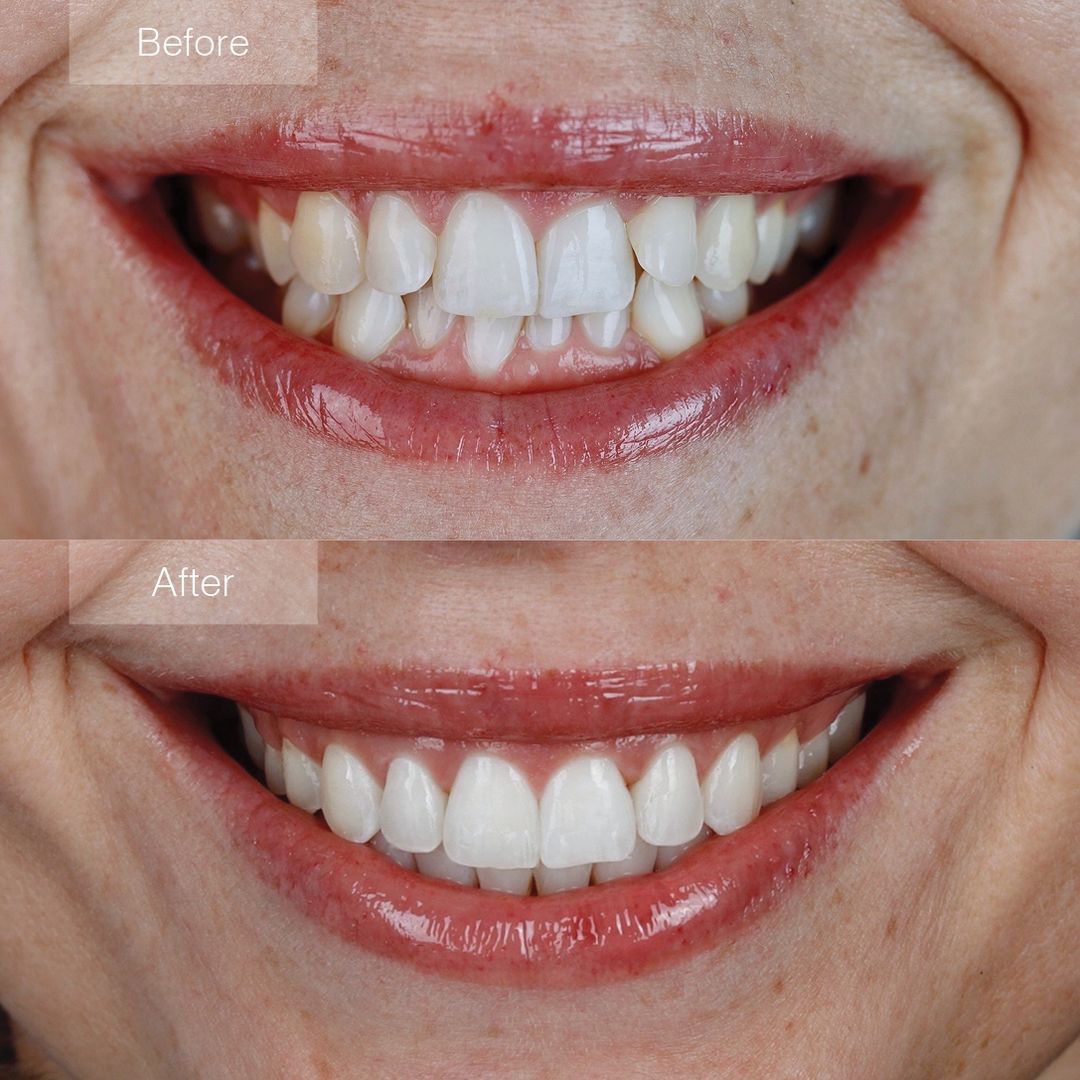
See real patient success stories.
Clear Aligner Therapy
See real patient success stories.