Losing bone in your jaw doesn’t automatically rule out dental implants, even if it feels discouraging at first. Many patients hear the words bone loss and assume the door on implants has closed for good. The reality is more encouraging and depends heavily on how much bone remains, where it sits in your mouth, and what restorative options make sense for your specific situation.
At Sonoran Dental Studio, we work with patients throughout Buckeye who are exploring implants after years of missing teeth, gum disease, or denture wear have reduced their jawbone volume. We restore implants that a partnering oral surgeon places, and we walk you through what your bone structure means for your options before you decide.
Why Jawbone Volume Matters for Dental Implants
Dental implants rely on osseointegration, the process where the implant post fuses with your jawbone to create a stable foundation for a crown, bridge, or denture. That fusion needs enough bone width and height to properly anchor the post. When teeth are missing for an extended period, the jawbone in that area starts to resorb, or shrink, because it no longer receives the stimulation that chewing and biting provide.
Bone loss can come from several sources beyond missing teeth. Long-term denture wear puts pressure on the ridge that gradually flattens it. Periodontal disease erodes the bone that supports your natural teeth. Even an old injury or infection can leave a section of the jaw with less density than the surrounding area. None of these causes automatically disqualifies you from implants, but they do shape how your treatment gets planned.
What Happens During a Bone Loss Evaluation?
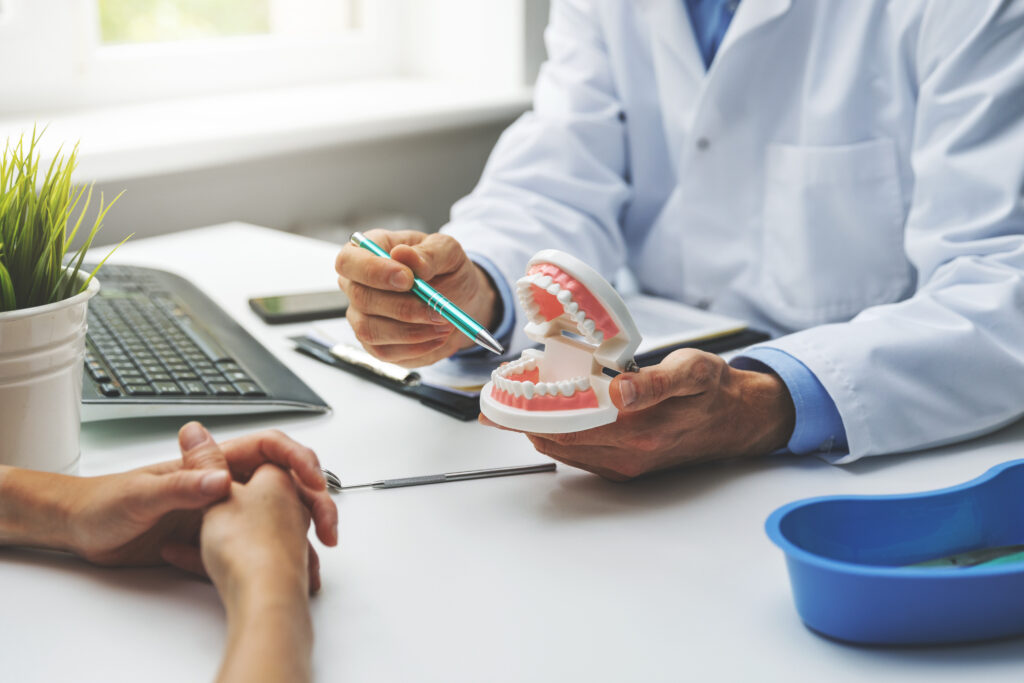
Before recommending any path forward, your evaluation typically includes a detailed scan or three-dimensional imaging to measure exactly how much bone remains in the area being considered. This gives your dental team a clear picture of whether the existing bone can support an implant as is or whether additional preparation would help.
A 2023 study published through the National Institutes of Health looked specifically at patients with insufficient bone support and found that targeted regenerative techniques produced measurable new bone growth around the implant site within six months, improving the foundation available for stabilization. Findings like this are part of why bone loss is treated as a planning variable rather than an automatic barrier.
Factors That Influence Your Options
Several details from your evaluation shape what your restorative dentist and the oral surgeon discuss together, including:
- The amount of vertical and horizontal bone remaining in the treatment area
- Whether the bone loss is isolated to one tooth site or spread across the arch
- Your overall gum health and whether active periodontal disease needs treatment first
- Your medical history, including conditions like diabetes that can affect healing
- Whether a bone grafting or regenerative procedure would strengthen the site before placement
These factors are reviewed together rather than in isolation, since a small amount of localized bone loss is handled very differently than widespread resorption across the jaw.
Restorative Dental Options When Bone Loss Is a Factor
If your bone volume can support a standard implant, your restorative plan may look similar to any other implant case. When the surgeon determines that grafting or regenerative treatment would strengthen the site first, that preparatory work typically happens before restoration begins, giving the area time to heal and build the density needed for a stable result.
For patients with more significant bone loss across the arch, implant-retained dentures are often a strong alternative. These prosthetics distribute pressure differently than a single implant crown and can sometimes work with a strategically placed implant even when overall bone volume is reduced. Traditional dentures also remain an option worth discussing if implants aren’t the right fit for your bone structure or budget.
Get Dental Implants Even With Bone Loss From Sonoran Dental Studio
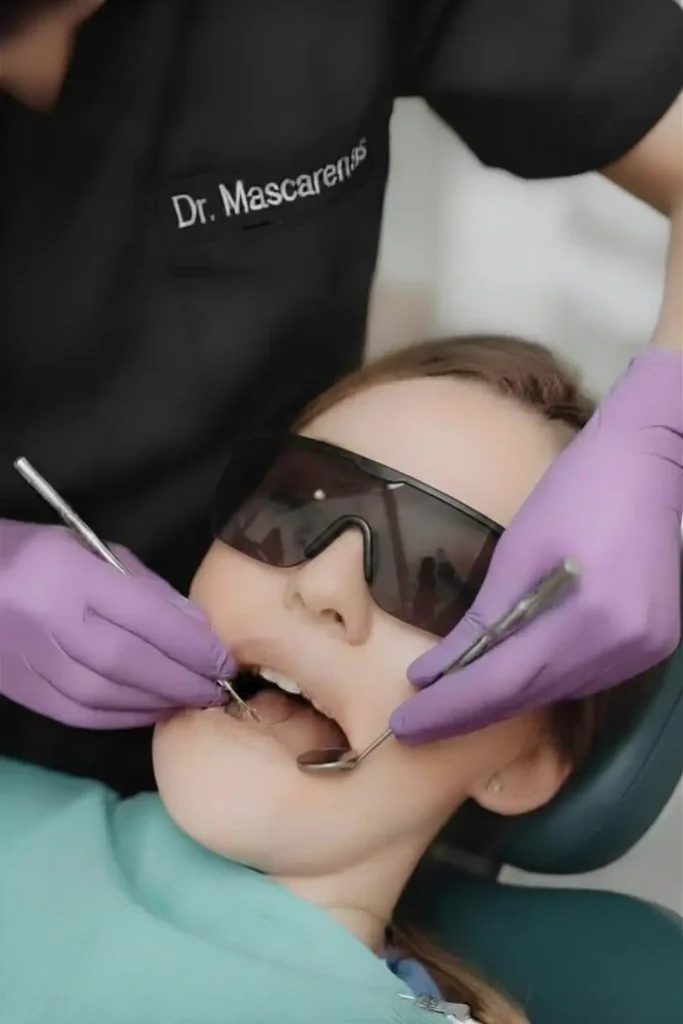
Bone loss is common, and it does not have to be the end of your implant journey. From checkups and fillings to cosmetic dentistry and restorative care, we do it all, and our judgment-free, patient-focused approach means we will always talk through your bone structure honestly rather than assuming implants are off the table. Dr. Mascarenas and our team have built our practice around straightforward guidance for patients in Buckeye who want to understand every option available to them.
If you have been told you have bone loss and are not sure what that means for replacing your missing teeth, we encourage you to reach out through our contact form so we can schedule an evaluation and walk you through what your specific situation allows.