A dental exam is only as good as the picture behind it, and X-rays remain the single best way to see what a visual check cannot. Cavities forming between teeth, bone loss from gum disease, root infections, and the position of unerupted teeth can all stay hidden until an X-ray brings them into view. The technology used to capture those images matters just as much as the exam itself, since older film-based systems require more radiation and lower image clarity than what modern dentistry can offer today.
At Sonoran Dental Studio, we use digital X-rays to give patients faster, safer, and more precise diagnostic imaging at every visit, as part of our preventive dentistry services. As a boutique dental studio in Buckeye built around a concierge-style patient experience, we invest in technology that reflects how we practice in a way that’s efficient and with your comfort in mind. Whether you are due for a routine dental exam or need imaging before a restorative procedure, our digital X-ray system helps us catch problems earlier.
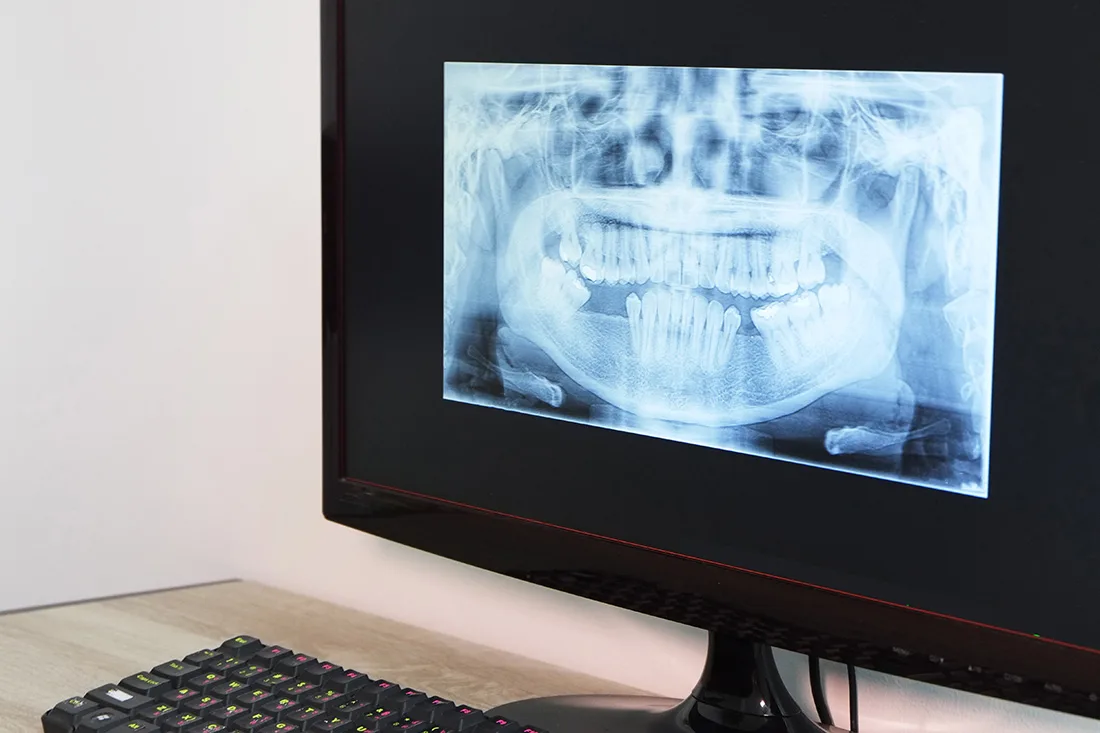
Digital X-rays use an electronic sensor instead of traditional film to capture images of your teeth, roots, and jawbone. The sensor sends the image directly to a computer screen within seconds, where we can zoom in, adjust contrast, and review the results with you in real time.
This shift from film to digital sensors has changed what a routine dental exam looks like. Instead of waiting for film to develop in a darkroom, we see the image appear almost instantly, which means we can talk through findings with you during the same appointment rather than following up after the fact.
What X-Rays Can Show That a Visual Check Cannot
Film-based X-rays served dentistry well for decades, but the process came with real limitations. Film requires chemical processing in a darkroom, which adds time to every appointment, and it is far less forgiving of small exposure errors, meaning a retake often means another dose of radiation and another wait.
Digital sensors solve both problems at once. They capture a usable image with far less radiation, display it instantly on screen instead of requiring darkroom development, and let us brighten, zoom, or adjust contrast without retaking the image, reducing repeat exposures and keeping your appointment moving efficiently.
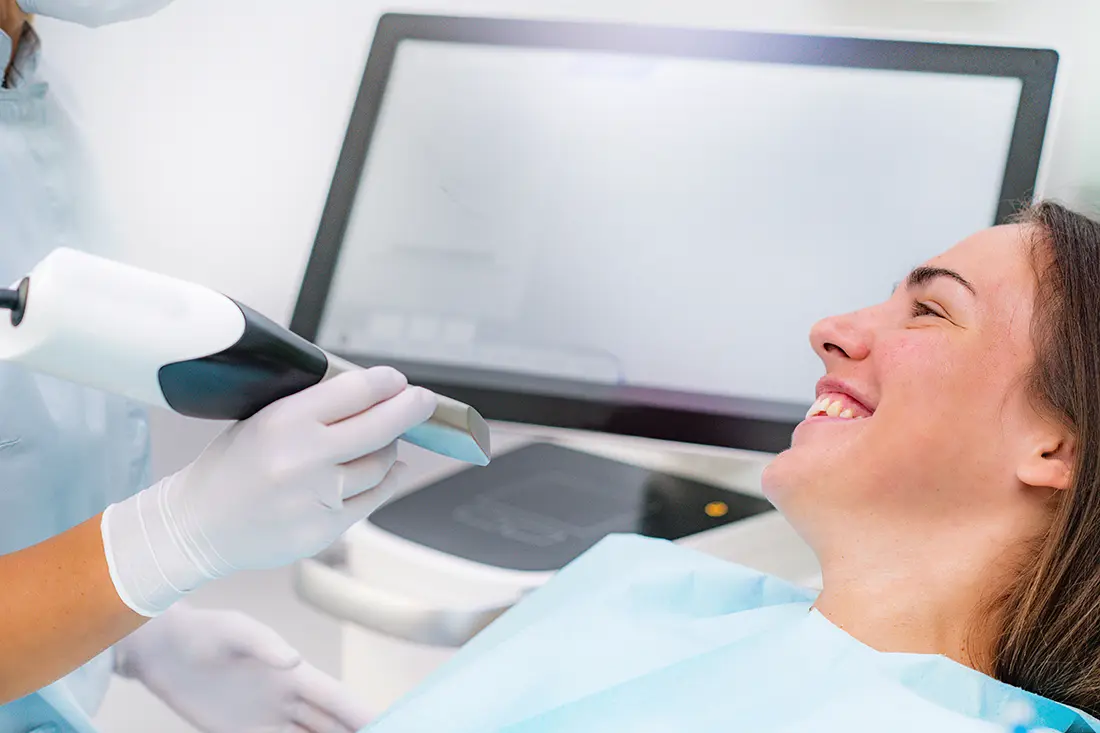
Radiation exposure is one of the most common concerns patients bring up when X-rays come up in conversation, and it is a fair question to ask. Digital sensors are more sensitive than film, so they need far less radiation to produce a usable image.
Federal guidance from the FDA helps dentists decide when X-rays are needed and how to limit radiation exposure. Keeping exposure low matters most for patients who need imaging regularly, including those in active treatment or ongoing restorative care, since lower cumulative exposure over time is safer for everyone. We combine that lower-dose sensor technology with proper shielding and positioning at every visit, so you get a complete diagnostic picture without unnecessary exposure.

Cavities forming between teeth can stay hidden until an X-ray brings them into view.
A clearer image leads to a clearer plan, and digital X-rays give us noticeably sharper detail than traditional film ever could. That resolution lets us catch small issues, like early enamel decay or a hairline crack, before they turn into something that requires more invasive treatment.
Digital imaging also gives us the following tools that film cannot offer:
These capabilities mean fewer surprises during treatment and a more accurate roadmap from the first visit. When we recommend a dental filling, a root canal, or restorative work, that recommendation is backed by imaging precise enough to plan the procedure correctly the first time.
Most patients need X-rays at routine checkups, though the exact frequency depends on your oral health history and risk factors. New patients typically receive a full set of images so we have a baseline to compare against at future visits, while returning patients with healthy checkups may only need updated images every one to two years.
Certain situations call for imaging outside a standard schedule, such as before placing a dental crown, when evaluating a patient for dental implants, or when a patient reports pain with no obvious visual cause. In these cases, digital imaging gives us the information we need to move forward with confidence, not guesswork.
Digital X-rays give you a faster, lower-radiation, and more detailed look at your oral health than older imaging technology ever could. That difference shows up in every diagnosis we make and every treatment plan we build. As a boutique practice serving Buckeye, Goodyear, Sundance, and Verrado, we bring that same tech-forward, detail-oriented approach to every service we offer, from routine cleanings to more involved restorative care.
If it has been a while since your last set of X-rays, or you want a dental team that takes imaging seriously, we would love to see you at Sonoran Dental Studio. Get in touch through our contact form to schedule your consultation and experience the difference modern digital imaging can make.
See real patient success stories.
Clear Aligner Therapy
See real patient success stories.