

Dental Crowns in Buckeye, AZ

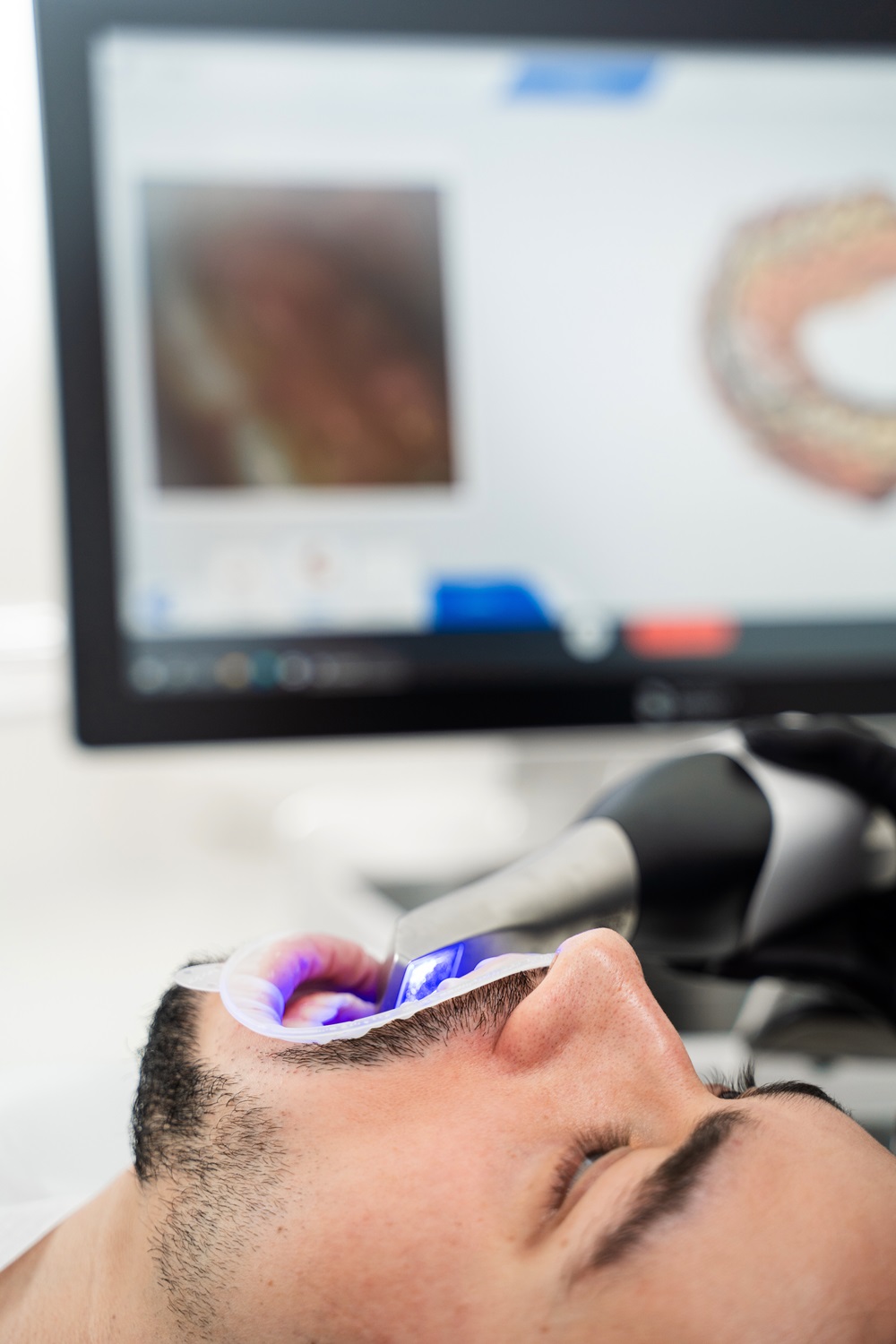
Getting a crown used to mean sitting through a gooey, gag-inducing impression and coming back weeks later for the real thing. That is not how it works at Sonoran Dental Studio, where a fully digital PrimeScan intraoral scanner captures a precise 3D model of your tooth in minutes, with no trays, no mess, and no waiting in a lab to tell you if the mold came out right.

Dr. Mascarenas and our team built this technology into daily practice because it makes crowns more accurate and far more comfortable for patients across Buckeye. A crown is one of many options within our restorative dentistry services, and it remains one of the most effective ways to protect a tooth that has been weakened by decay, a large filling, or a fracture.

Why Our Digital Scanning Process Changes the Experience

Traditional crown impressions require biting into a tray of putty-like material for several long minutes while it sets around your teeth. Beyond being uncomfortable, that process leaves room for distortion if the material shifts even slightly, which can mean a crown that does not fit quite right on the first try.

Our PrimeScan intraoral scanner replaces that entire step. Dr. Mascarenas moves a small wand around your tooth to build a digital 3D image in real time, and you can watch the model take shape on a chairside screen as it happens. Because the scan captures exact measurements, the crown that comes back from the lab tends to require far less adjustment at your fitting appointment.

This digital workflow also pairs with our 3D CBCT imaging, which gives Dr. Mascarenas a detailed view of the tooth structure and surrounding bone before any work begins. Between the two technologies, we can plan your crown with a level of precision that older impression methods simply could not match.

When a Crown Is the Right Choice

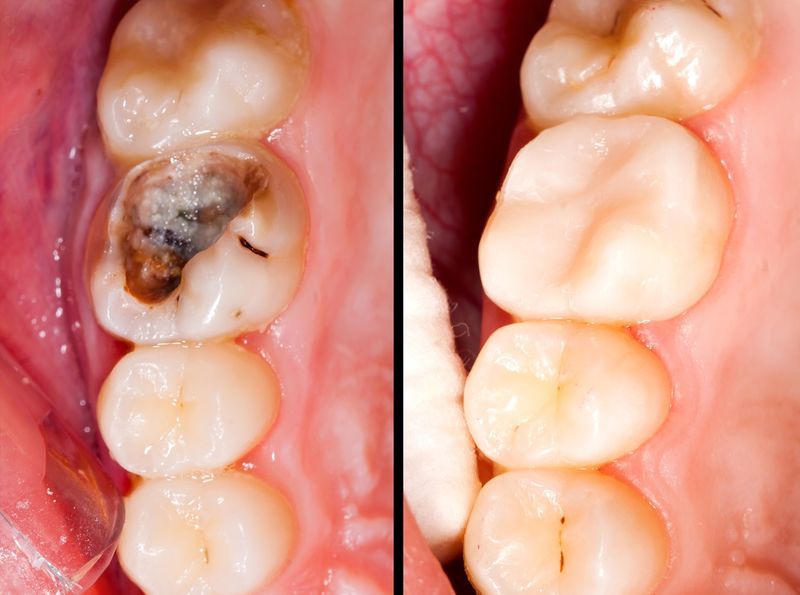
Not every damaged tooth needs a crown, but certain situations call for one specifically. A tooth with a cavity too large for a standard filling often needs a crown to hold its structure together, since removing enough decay to clean the tooth out can leave too little natural material behind to support a filling alone.

Cracked or fractured teeth are another common reason for a crown, particularly when the crack extends below the gumline or threatens the tooth’s stability when chewing. A crown can also follow root canal therapy, since a tooth that has had its nerve removed becomes more brittle over time and benefits from the added protection a crown provides.

Some patients also choose a crown for cosmetic reasons, such as covering a tooth with severe discoloration or an unusual shape that whitening or bonding cannot fully address. If your goal is closer to enhancing a healthy tooth’s appearance rather than repairing damage, our veneers page may be a better starting point to review.

What Crown Materials Are Available?

Crown material affects both the look and the longevity of your restoration, and Dr. Mascarenas will walk you through the tradeoffs based on which tooth needs treatment. Porcelain crowns are a popular choice for visible teeth because they can be shaded to match your natural enamel closely, giving a result that blends in rather than standing out.

For back teeth that handle heavier chewing forces, a stronger material may hold up better over time, and zirconia has become a common option because it combines durability with a reasonably natural appearance. Gold and other metal alloys are still used in select cases, particularly for molars where strength matters more than how the crown looks, since metal crowns can tolerate significant bite pressure without chipping or wearing down.

The National Institute on Aging notes that crowns can strengthen damaged teeth, improve their appearance, and protect weaker teeth from breaking or restore a tooth that has already broken. Dr. Mascarenas will recommend the material that best balances appearance and function for your specific tooth and bite.

Did you know…

Dental crowns can be made out of metals, porcelain, resin, and ceramics.

Source: Cleveland Clinic

Ready to
schedule your appointment?

The Benefits of Dental Crowns

Maintains Natural Tooth Structure

Crowns safeguard the remaining natural tooth and root structure once the decay has been removed.

Matches Your Natural Smile

Custom lab-made crowns are crafted to match the look and feel of your natural teeth, ensuring they blend seamlessly with your smile.

Durable & Longlasting

With proper care, a well-made crown can last up to 15 years. Talk to your dentist about tips to maximize the lifespan of your new crown.

The Step-by-Step Treatment Process at Sonoran

Your crown treatment starts with a comprehensive exam, during which Dr. Mascarenas checks the tooth and surrounding structure to confirm a crown is the right approach. If the tooth needs any preparation, such as removing decay, that happens first, followed by shaping the tooth so the crown will fit properly over what remains.

From there, we bring in the PrimeScan to capture a digital impression of the prepared tooth and its neighbors, which typically takes just a few minutes and skips the traditional putty tray entirely. That digital file is sent to a dental lab, which fabricates your custom crown to match the exact shape and shade needed.

Because we do not offer same-day crowns, you will leave your first appointment with a temporary crown to protect the tooth while the permanent one is being made. Once it arrives, a short follow-up appointment allows Dr. Mascarenas to check the fit, make any small adjustments, and permanently cement the crown into place. Patients who want more background on what to expect before their visit can review our patient resources page ahead of time.

Preparing The Tooth

To begin, your dentist will thoroughly clean your mouth and apply local anesthesia for your comfort. Next, the decayed enamel will be carefully removed with a dental hand piece. This step also involves reshaping your tooth to create a strong foundation for the dental crown.
Imaging & Temporary Crown Placement

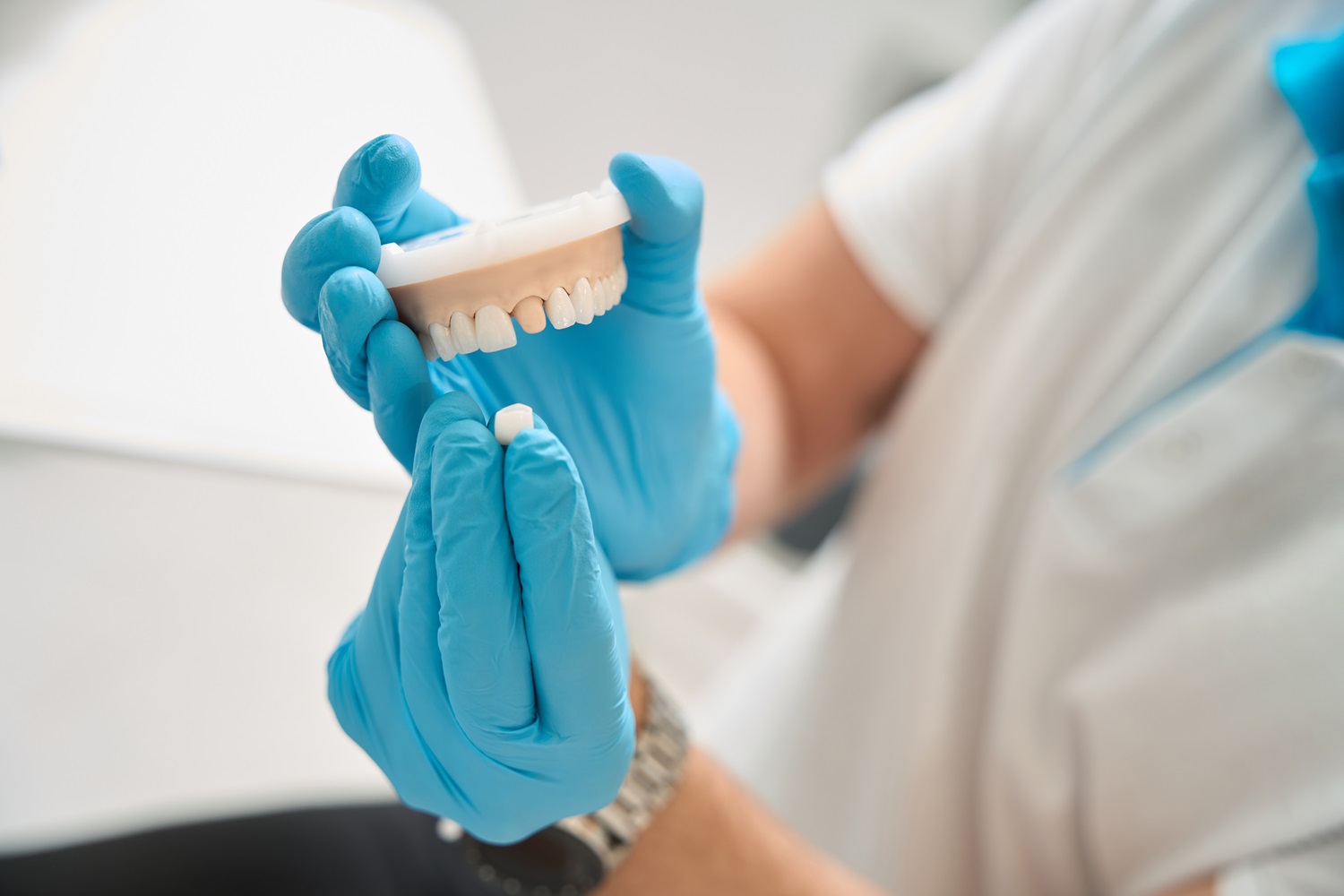
The creation of your custom crown starts with capturing impressions of your teeth. For a natural fit, we’ll also take detailed images of your teeth for precise matching. Your impressions are then sent to a dental lab, where your crown will be expertly crafted using durable materials. In the meantime, your dentist will place a temporary crown to protect your reshaped tooth until your permanent crown is ready.

Final Fit & Finish

Once your permanent crown is complete, we’ll schedule your final fitting. During this appointment, our team will thoroughly check the crown’s fit and comfort, making any necessary adjustments. Once everything feels right, your dentist will securely bond the crown in place with a strong dental adhesive, completing the process.
Are You a Good Candidate for a Crown?

Most patients with a damaged, decayed, or weakened tooth are reasonable candidates for a crown, though a few factors influence whether it is the best option compared to a filling, bridge, or extraction. Enough healthy tooth structure needs to remain to support the crown once it is placed, and your gums need to be healthy enough to allow a clean fit around the base of the tooth.

Patients with significant teeth grinding or clenching may need additional planning to choose a crown material that can withstand that extra pressure, and some benefit from a protective night guard once the crown is placed to help it last longer. Dr. Mascarenas evaluates each case individually using the CBCT imaging and digital scan, so you get a recommendation based on your actual tooth structure rather than a generic assumption about what should work.

Before & Afters

A smile is worth
1,000 words.

See real patient success stories.

Dental Crowns

See real patient success stories.
Frequently Asked Questions About Dental Crowns

Patients considering a crown in Buckeye often have similar questions before scheduling, and having clear answers upfront tends to make the process feel far less intimidating.

Most crowns last for many years with regular brushing, flossing, and dental visits, though the exact lifespan depends on the material chosen and how well the tooth is cared for afterward.

The area is numbed before any tooth preparation begins, so you should not feel pain during the appointment. Some mild sensitivity around the gumline is normal for a few days afterward.

Sending your digital scan to a dedicated dental lab allows for more material options and a more precise final fit than an in-office milling machine can typically produce, even though it means a short wait between visits.

Porcelain and zirconia crowns can be shaded to match the surrounding teeth closely, and Dr. Mascarenas works with the lab to select a shade that blends in with your smile.

Nothing invasive happens during the scan itself. The PrimeScan simply captures images of your tooth from multiple angles to build the 3D model, so the process is quick and comfortable.

Schedule Your Crown Consultation at Sonoran Dental Studio

Dr. Mascarenas brings nine years of clinical experience to every crown placed at Sonoran Dental Studio, combining that experience with digital scanning and 3D imaging to make the process as precise and comfortable as possible. Our boutique, patient-first approach means you get real answers about your options rather than a rushed recommendation, and we work with most PPO insurance plans as well as an in-house membership plan for patients without coverage.

If a damaged or decayed tooth has you wondering whether a crown might be the right next step, contact our office to schedule an exam with our team.

Protect Your Smile & Your Health, Too

Book Your First Visit Now

*Please do not submit any Protected Health Information (PHI).

By submitting, you confirm that you consent to receive SMS and email messaging from Sonoran Dental Studio using the contact information you provide. Msg & Data rates may apply. Reply STOP at any time to unsubscribe.